Machines don’t warn you before they start. A conveyor lurches to life. A press drops unexpectedly. High-pressure lines discharge without warning. Every year, hundreds of workers suffer severe injuries—or worse—because energy sources weren’t properly controlled during maintenance. The solution isn’t new technology or complex engineering. It’s a simple, disciplined procedure: lockout tagout (LOTO).
Lockout tagout safety isn’t just a compliance checkbox—it’s the critical barrier between routine maintenance and life-altering accidents. When executed correctly, it ensures machines stay de-energized and isolated from all hazardous energy sources until servicing is complete.
Yet, in too many workplaces, LOTO is inconsistently applied, poorly understood, or bypassed altogether. The result? Preventable tragedies.
This guide unpacks the real-world mechanics of effective lockout tagout safety—what it is, how it works, where it fails, and how to make it stick in your organization.
What Is Lockout Tagout Safety?
Lockout tagout (LOTO) is a safety procedure used to disable machinery or equipment and prevent the unexpected release of hazardous energy during servicing or maintenance.
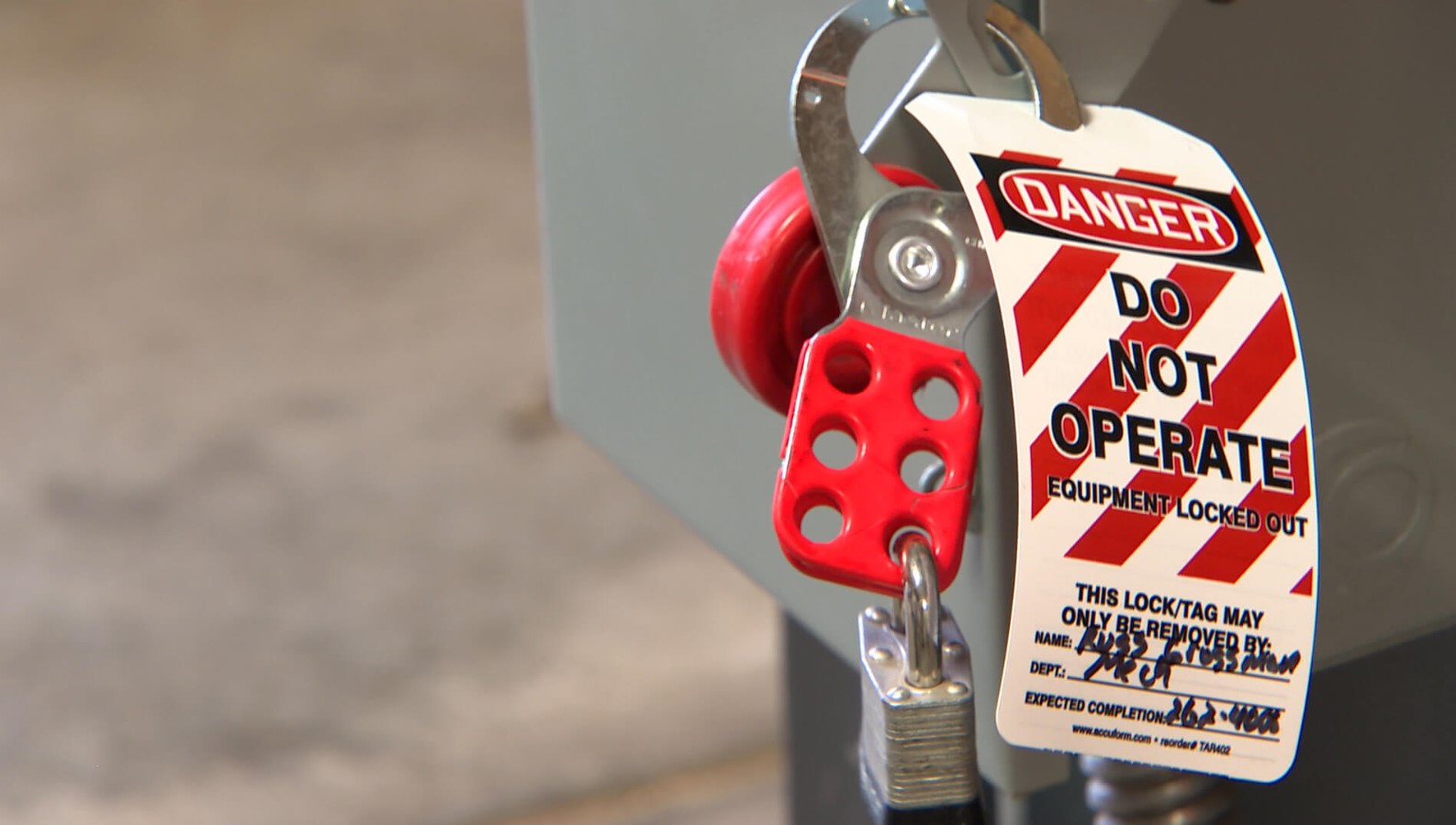
At its core, LOTO involves two actions: - Lockout: Physically locking energy-isolating devices (like circuit breakers or valve handles) to prevent re-energization. - Tagout: Attaching a warning tag to the locked device, indicating that the equipment is unsafe to operate and identifying the authorized employee who applied the lock.
While lockout uses physical restraints, tagout alone relies on procedural warnings. OSHA permits tagout-only systems only when lockout isn’t feasible—but even then, additional safety measures must be in place.
Why LOTO Exists: The Hidden Dangers of Stored Energy
Most people think of electricity when they hear "energy source." But LOTO covers far more:
- Electrical (wiring, circuits)
- Mechanical (springs, flywheels)
- Hydraulic (fluid under pressure)
- Pneumatic (compressed air)
- Chemical (reactive substances)
- Thermal (hot surfaces, steam)
Stored energy is especially dangerous. A hydraulic press can hold pressure for hours after shutdown. A flywheel may spin for minutes after power is cut. If workers assume "off" means "safe," they risk catastrophic injury.
LOTO ensures all energy sources are isolated, dissipated, and verified before work begins.
How Lockout Tagout Works: A Step-by-Step Breakdown
A successful LOTO procedure isn’t just about slapping on a lock. It follows a strict, repeatable sequence. Deviate from the steps, and the system fails.
1. Preparation Before shutdown, authorized employees must:
- Identify the type and magnitude of energy involved.
- Locate all energy-isolating devices.
- Notify affected employees about the upcoming maintenance.
Example: A maintenance technician servicing a packaging line checks the P&ID (Piping and Instrumentation Diagram) to confirm isolation points for electrical feeds, air lines, and hydraulic connections.
2. Shutdown Operate normal shutdown controls to stop the machine. This is not the final isolation—just the first step.
3. Isolation Physically disconnect or block all energy sources:
- Flip circuit breakers to “off” and lock them.
- Close and lock line valves.
- Block moving parts with mechanical restraints.
Use group lockout boxes when multiple workers are involved. Each technician applies their personal lock to the box before beginning work.
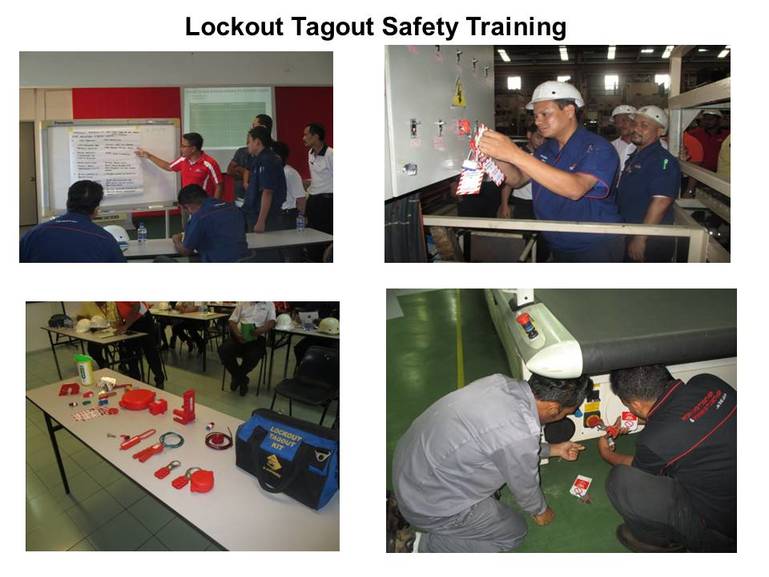
4. Lockout/Tagout Application Attach your lock and tag to each isolating device. The tag must include: - Employee name - Date and time - Reason for lockout
Never loan your lock to another worker. Each person performs their own lockout.
5. Stored Energy Dissipation Release or block any residual energy:
- Bleed hydraulic lines
- Ground capacitors
- Allow flywheels to stop naturally
- Dissipate thermal energy
Skip this step, and you risk a burst hose, arc flash, or sudden movement.
6. Verification Attempt to restart the machine using normal controls—while standing clear. If it doesn’t start, the system is properly isolated.
Critical error: Some workers skip verification, assuming a locked breaker means zero energy. But mislabeled panels or bypass circuits can fool even experienced techs.
7. Maintenance Only after verification should work begin. Keep locks in place until the job is complete.
8. Restoration When work is done:
- Remove tools
- Re-energize only after all employees are clear
- Remove locks and tags
- Notify affected personnel
Never remove someone else’s lock unless under strict emergency protocols.
Common LOTO Failures and How to Fix Them
LOTO failures don’t usually stem from ignorance. They come from flawed systems, time pressure, or normalization of deviance.
Failure 1: Incomplete Energy Source Identification
Many workers lock out the main power switch but miss auxiliary lines like pneumatics or gravity-fed chutes.
Fix: Use standardized LOTO procedures for each machine. Document all energy sources in written energy control plans.
Failure 2: Group Lockout Mismanagement
When five technicians service a single machine, miscommunication can lead to premature re-energization.
Fix: Use a group lockout hasp. Each worker applies their lock. The machine stays locked until the last person removes theirs.
Failure 3: Tag-Only Procedures Without Additional Controls Tags can be ignored. In one case, a worker removed a tag because it “looked old,” restarting a saw mid-maintenance.
Fix: Where tagout is used without lockout, implement immediate backup protections—like removing circuit elements or blocking drives.
Failure 4: Temporary Bypasses and "Quick Fixes" Workers often bypass LOTO for “five-minute” adjustments. But 80% of LOTO-related injuries happen during brief servicing tasks.
Fix: No job is too small for LOTO. Reinforce culture through supervision and audits.
Real-World LOTO Applications Across Industries
LOTO isn’t one-size-fits-all. Procedures vary by environment, scale, and risk.
Manufacturing: Conveyor Systems A bottling plant performs weekly cleaning on conveyors. The LOTO procedure includes: - Locking main drive motor disconnect - Closing and locking air supply valves - Blocking rollers with physical pins - Verifying no movement before entry
Failure here led to a 2021 incident where a worker’s arm was crushed during belt cleaning—no lockout was applied.
Healthcare: Medical Gas Systems Hospitals use LOTO when repairing oxygen or vacuum lines. Isolating valves, tagging lines, and depressurizing lines prevents leaks that could lead to fire or asphyxiation.
Facilities Maintenance: Boiler Rooms Boilers store thermal and pressure energy. LOTO includes:
- Isolating fuel lines
- Locking burner control circuits
- Venting steam lines
- Allowing cooldown before inspection
One facility avoided a potential explosion after a tech discovered a faulty interlock—only because full LOTO was followed.
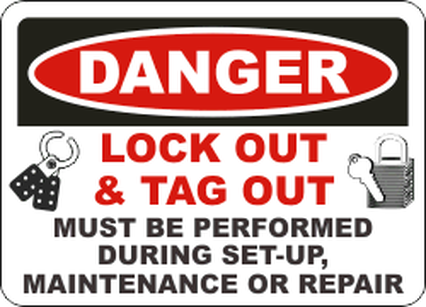
Construction: Temporary Power Setups Portable generators and welders need LOTO during servicing. A construction firm reduced electrical incidents by 70% after implementing LOTO for all temporary equipment.
Equipment and Tools That Support LOTO Compliance
While LOTO is a procedure, the right tools make it more effective and less prone to error.
| Tool | Purpose | Real-World Use |
|---|---|---|
| Padlocks with Unique Keys | Ensure personal accountability | Each worker has their own lock, keyed differently |
| Lockout Hasps | Allow multiple locks on one device | Used during group maintenance tasks |
| Valve Lockouts | Secure open/closed positions | Applied to steam, gas, or hydraulic valves |
| Circuit Breaker Locks | Prevent resetting | Fits over breakers in electrical panels |
| Lockout Stations | Centralize supplies | Mounted near high-risk equipment |
| 挂牌 (Tag) Printers | Create standardized tags | Include employee ID, date, and reason |
Investing in durable, standardized equipment reduces shortcuts. A $10 valve lock can prevent a six-figure injury claim.
OSHA Standards and Legal Responsibility
In the U.S., OSHA’s 29 CFR 1910.147 sets the baseline for LOTO compliance. Key requirements include:
- Written energy control procedures
- Annual employee training
- Periodic inspections (at least yearly)
- Clear identification of authorized vs. affected employees
Authorized employees perform LOTO and maintenance. Affected employees operate or use equipment but don’t service it.
Penalties for non-compliance are steep. In 2023, a food processing plant was fined over $150,000 after an employee lost a hand in a meat grinder—no LOTO procedure existed.
But compliance isn’t just about avoiding fines. It’s about accountability. If someone is injured and LOTO wasn’t followed, supervisors and managers can face personal liability.
Building a Culture of LOTO Discipline Procedures fail when the culture doesn’t support them.
Train for Understanding, Not Just Compliance Too often, LOTO training is a 20-minute video followed by a quiz. Effective training includes: - Hands-on practice with actual equipment - Scenario-based drills (e.g., “What if the motor hums after lockout?”) - Refresher sessions every 6–12 months
Lead by Example When supervisors bypass LOTO, workers notice. One plant saw compliance jump from 45% to 90% after managers started wearing lockout vests during walkthroughs.
Audit with Purpose Don’t just check “was a lock used?” Ask:
- Were all energy sources isolated?
- Was stored energy released?
- Was verification performed?
Use audits to coach, not punish.
Empower Employees to Stop Work Workers must feel safe calling out LOTO violations. A near-miss reporting system—where concerns are addressed without retaliation—saves lives.
Make Lockout Tagout a Reflex, Not a Choice
Lockout tagout safety is one of the most effective injury prevention tools ever created. Yet, it only works when followed every time, by everyone, without exception.
There’s no such thing as a “safe shortcut” with energy isolation. A machine doesn’t know your intent. It only responds to physics.
Implementing LOTO isn’t about buying more locks or printing more tags. It’s about building a culture where safety is non-negotiable—where workers don’t just know the procedure, they own it.
Start today: Review your energy control plans. Walk through a real maintenance task. Verify every lock, every tag, every step.
Because when a machine starts unexpectedly, it won’t ask for a second chance. Neither should you.
Frequently Asked Questions
What is the difference between lockout and tagout? Lockout uses a physical lock to prevent re-energizing equipment. Tagout uses a warning tag. Lockout is preferred; tagout requires extra safety steps.
Who is responsible for applying LOTO? Only authorized employees can apply lockout devices. Each worker must use their own lock and tag.
Can you use someone else’s lock in an emergency? Only under strict procedures—typically requiring management approval, written logs, and verification that the worker is clear.
How often should LOTO procedures be reviewed? At least annually. Also review after incidents, equipment changes, or process updates.
Do LOTO rules apply to corded plug-in tools? Yes, if the plug is under the exclusive control of the worker and unplug is the only energy source, unplugging and tagging the plug may suffice.
What happens if a worker forgets to remove their lock? A documented removal procedure must exist. Typically, a supervisor verifies the worker is clear before removing the lock.
Is LOTO required for routine production adjustments? No—if the task is minor, repetitive, and part of normal operation, alternative protection (like guarding) may apply. But cleaning, repair, or setup requires LOTO.
FAQ
What should you look for in Lockout Tagout Safety: Protecting Workers from Unexpected Startup? Focus on relevance, practical value, and how well the solution matches real user intent.
Is Lockout Tagout Safety: Protecting Workers from Unexpected Startup suitable for beginners? That depends on the workflow, but a clear step-by-step approach usually makes it easier to start.
How do you compare options around Lockout Tagout Safety: Protecting Workers from Unexpected Startup? Compare features, trust signals, limitations, pricing, and ease of implementation.
What mistakes should you avoid? Avoid generic choices, weak validation, and decisions based only on marketing claims.
What is the next best step? Shortlist the most relevant options, validate them quickly, and refine from real-world results.