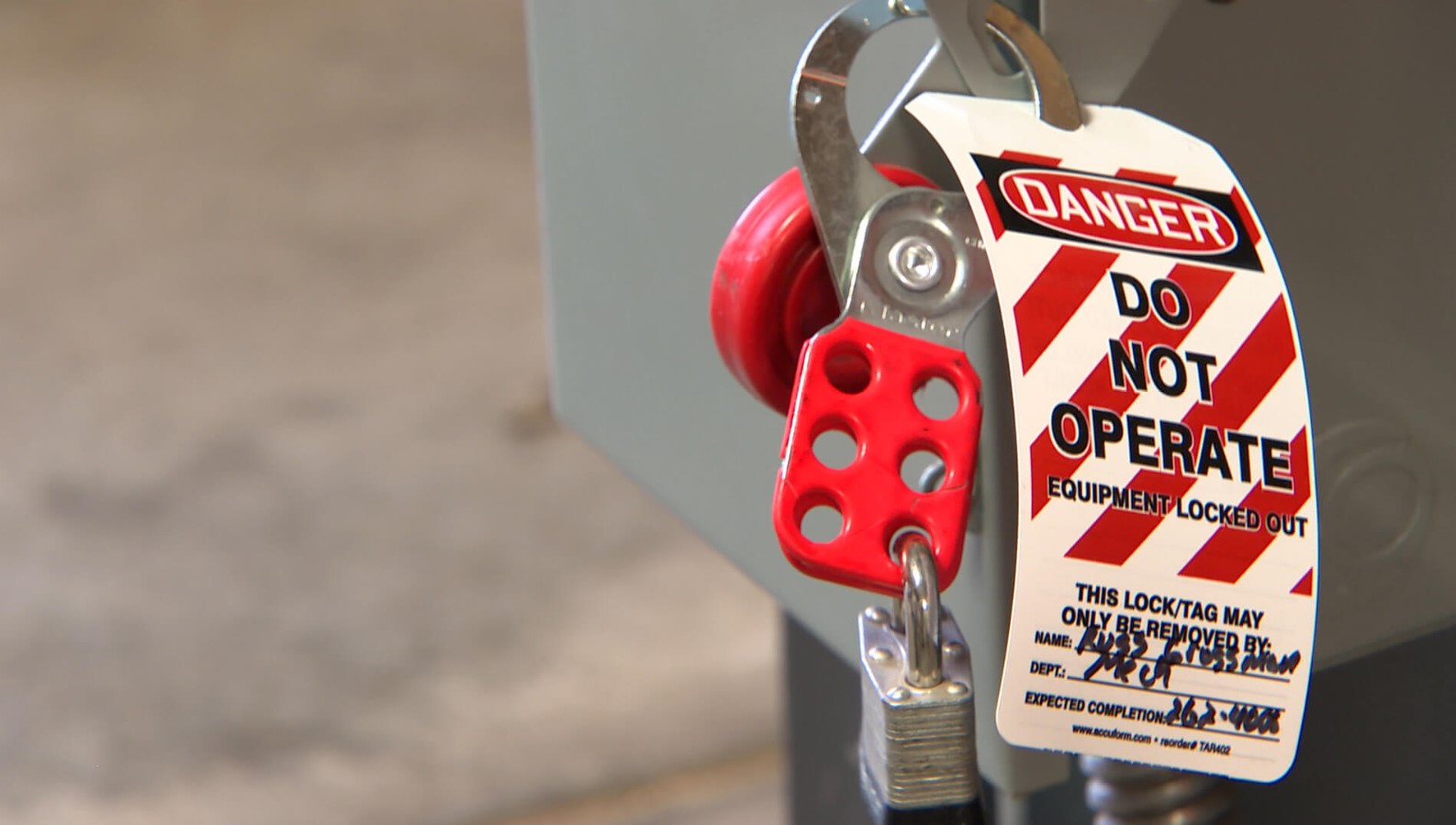
Failing to document a lockout tagout (LOTO) program isn’t just a paperwork oversight—it’s a safety failure waiting to happen. Across manufacturing, utilities, and industrial operations, equipment maintenance carries inherent risks. When energy isolation procedures aren’t properly recorded, the consequences range from regulatory fines to life-threatening incidents.
OSHA’s standard 29 CFR 1910.147 doesn’t just require lockout tagout procedures—it mandates that they be documented, reviewed, and retained. Yet many organizations treat LOTO records as administrative checkboxes rather than critical safety artifacts. This article breaks down exactly what lockout tagout record keeping requirements demand, how to meet them effectively, and where most companies fall short.
Why LOTO Record Keeping Is a Legal and Operational Necessity
Lockout tagout procedures exist to control hazardous energy during servicing and maintenance. But without records, there’s no proof that procedures were followed, reviewed, or even created.
OSHA requires documentation not to burden employers, but to ensure consistency, accountability, and traceability. Records serve three primary functions:
- Verification – Confirming that energy control procedures are periodically inspected and effective.
- Training – Providing evidence that authorized employees are trained and retrained.
- Compliance – Demonstrating due diligence during audits or incident investigations.
A plant in Ohio learned this the hard way after an employee suffered severe burns during a conveyor repair. The investigation revealed that while LOTO procedures existed, no records showed they had been reviewed in over two years—violating OSHA’s annual inspection requirement. The resulting citation included a $97,000 penalty.
What OSHA Requires: The Core Record Keeping Mandates
OSHA 1910.147(c)(6) and (c)(7) outline the non-negotiable components of LOTO record keeping. These aren’t suggestions—they’re enforceable standards.
#### 1. Written Energy Control Procedures
Every machine or piece of equipment with hazardous energy sources must have a documented procedure detailing: - Specific steps for shutdown, isolation, and energy dissipation. - The method for applying and removing lockout devices. - Verification that equipment is effectively de-energized.
Example: A hydraulic press must list how to shut down the main disconnect, relieve pressure in lines, and confirm zero energy before maintenance.
These procedures must be accessible to authorized employees and updated whenever equipment or processes change.
#### 2. Periodic Inspections of Procedures
One of the most commonly violated aspects: annual inspections.
Each written procedure must be inspected at least once every 12 months. The inspection must: - Be conducted by an authorized employee not involved in using that procedure. - Include a review of the procedure’s effectiveness and employee adherence. - Document findings and any corrections made.
The inspection isn’t just a walkthrough—it’s a live observation. The inspector must watch an employee perform the LOTO process and verify it matches the written steps.
Common mistake: Using the same person to write, perform, and inspect the procedure. OSHA considers this a conflict of interest. The inspector must be independent.
#### 3. Inspection Documentation Must Be Retained
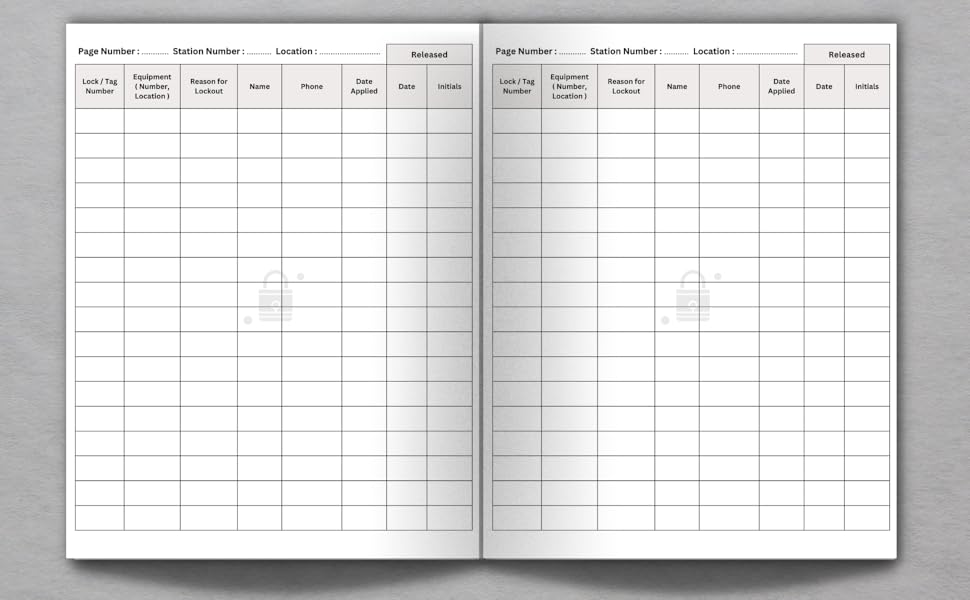
Every inspection must produce a record that includes: - The machine or equipment involved. - The date of the inspection. - The names of employees involved (both performer and inspector). - Any deficiencies identified and how they were corrected.
These records must be kept for at least one year—though best practice is to retain them for the life of the procedure or until the next inspection.
What a Compliant LOTO Record Should Include
A compliant record isn’t just a checklist. It’s a verifiable audit trail. Use the following framework for every documented LOTO inspection:
| Element | Required Detail |
|---|---|
| Equipment ID | Specific name, number, or location of machine |
| Inspection Date | Exact date of observation |
| Authorized Employee | Name of employee performing LOTO |
| Inspector | Name of reviewing, independent employee |
| Procedure Reviewed | Reference to written SOP or control plan |
| Deviations Found | Specific steps missed or performed incorrectly |
| Corrective Actions | How deviations were addressed (retained with record) |
Practical example: At a food processing facility, an inspector observed a mechanic bypassing a lockout step on a slicer by tagging but not locking the power source. The inspection record noted this deviation, triggered a retraining session, and was archived with the updated corrective log—demonstrating proactive compliance.
Common Gaps in LOTO Record Keeping (and How to Fix Them)
Even safety-conscious organizations make these mistakes:
#### ❌ Using Generic Procedures
Many companies rely on one-size-fits-all LOTO templates. But OSHA requires procedures to be machine-specific. A boiler’s isolation steps are different from those of a CNC machine.
Fix: Create individual procedures for each energy source and equipment type. Use photos, diagrams, and step-by-step visuals to eliminate ambiguity.
#### ❌ Skipping the Annual Inspection
Some companies believe that training records or initial procedure development satisfy OSHA. They don’t. The annual inspection is a standalone requirement.
Fix: Build a 12-month inspection calendar. Assign responsibility to maintenance supervisors or safety officers. Use digital reminders or CMMS integration to track due dates.
#### ❌ Failing to Document Corrections
Finding a deviation is only half the battle. If you don’t document how you fixed it, OSHA can cite you for ineffective program management.
Fix: Treat every inspection like an audit. Include a “corrective action” field in your form. Require signatures for closure.
#### ❌ Poor Record Retention
Paper logs lost in binders or outdated digital files create compliance risk.
Fix: Digitize records with version control. Store them in a secure, searchable system accessible to safety and operations teams.
Training Records: The Other Half of Compliance
LOTO isn’t just about procedures—it’s about people. OSHA requires documentation of both initial and retraining for authorized and affected employees.
Your training records must show: - Who was trained. - The date of training. - The content covered (e.g., lock application, tag use, energy sources). - Certification of understanding (often via quiz or demonstration).
Real-world case: A paper mill avoided a major citation during an OSHA audit because they had video records of employees demonstrating LOTO steps during annual retraining. The visual evidence proved competency beyond a signature on a sheet.
Retrain employees whenever: - New equipment is introduced. - Procedures change. - An inspection reveals a knowledge gap.
Digital Tools That Streamline LOTO Record Keeping
Manual tracking introduces errors and inefficiencies. More companies are turning to digital solutions to automate compliance. Here are five tools designed to meet OSHA’s LOTO record keeping requirements:
| Tool | Key Features | Best For |
|---|---|---|
| EHS Insight | Cloud-based LOTO module, inspection tracking, audit trails | Mid to large enterprises |
| Failsafe LOTO | Mobile app for real-time procedure access, digital sign-offs | Field-heavy teams |
| LockoutPro | QR-code-enabled equipment tags, procedure storage, reporting | Facilities with high machine turnover |
| Cority EHS | Integrated LOTO with training, incidents, and compliance dashboards | Regulated industries |
| SpheraCloud | AI-enhanced risk assessments, automated reminders, global compliance | Multinational operations |
Each of these platforms ensures that inspection dates are tracked, records are stored securely, and audit trails are maintained—eliminating the guesswork.
How to Build a Sustainable LOTO Record System
A sustainable system doesn’t rely on one safety manager’s memory. It’s built on structure and accountability.
Follow this workflow:
- Inventory Equipment – List every machine requiring LOTO. Include energy types (electrical, hydraulic, pneumatic, etc.).
- Develop Machine-Specific Procedures – Write clear, step-by-step instructions. Use visuals.
- Assign Inspection Schedules – Map out annual reviews. Assign independent inspectors.
- Conduct and Document Inspections – Observe, record deviations, correct immediately.
- Archive Records Digitally – Store with metadata (date, equipment, personnel).
- Review Annually – Audit your record keeping system itself every year.
Pro tip: Conduct a “mock OSHA audit” quarterly. Pull random LOTO records and inspect for completeness. This reveals gaps before regulators do.
Final Thoughts: Records Are Protection, Not Paperwork
Lockout tagout record keeping requirements exist to protect people—not just satisfy inspectors. Each record represents a moment when a procedure was verified, a worker was trained, or a hazard was controlled.
Compliance isn’t about filling out forms. It’s about proving that your safety systems work—and work consistently.
Start today: Audit one piece of equipment’s LOTO records. Are the procedures written? Was the last inspection within 12 months? Is the documentation complete?
If not, you’re not just out of compliance—you’re exposing your team to preventable risk.
Fix it. Document it. Protect your people.
Frequently Asked Questions
What must be included in a LOTO inspection record? The equipment name, inspection date, names of the employee and inspector, procedure reviewed, and any deviations or corrections made.
How long must LOTO records be kept? At least one year from the date of the inspection, though retaining them longer is recommended for audit continuity.
Do all employees need LOTO training records? Only authorized employees (those performing LOTO) and affected employees (those operating equipment) must have documented training.
Can digital records satisfy OSHA requirements? Yes, as long as they are accurate, secure, and readily accessible during inspections.
What happens if a company fails a LOTO inspection? OSHA may issue citations, fines (up to $15,625 per violation), and require corrective action. Willful violations carry higher penalties.
Is a LOTO procedure required for every machine? Yes, if the machine has potentially hazardous energy during servicing or maintenance.
Who can conduct a LOTO inspection? An authorized employee not involved in using the procedure being inspected—ensuring objectivity.
FAQ
What should you look for in Lockout Tagout Record Keeping Requirements Explained? Focus on relevance, practical value, and how well the solution matches real user intent.
Is Lockout Tagout Record Keeping Requirements Explained suitable for beginners? That depends on the workflow, but a clear step-by-step approach usually makes it easier to start.
How do you compare options around Lockout Tagout Record Keeping Requirements Explained? Compare features, trust signals, limitations, pricing, and ease of implementation.
What mistakes should you avoid? Avoid generic choices, weak validation, and decisions based only on marketing claims.
What is the next best step? Shortlist the most relevant options, validate them quickly, and refine from real-world results.